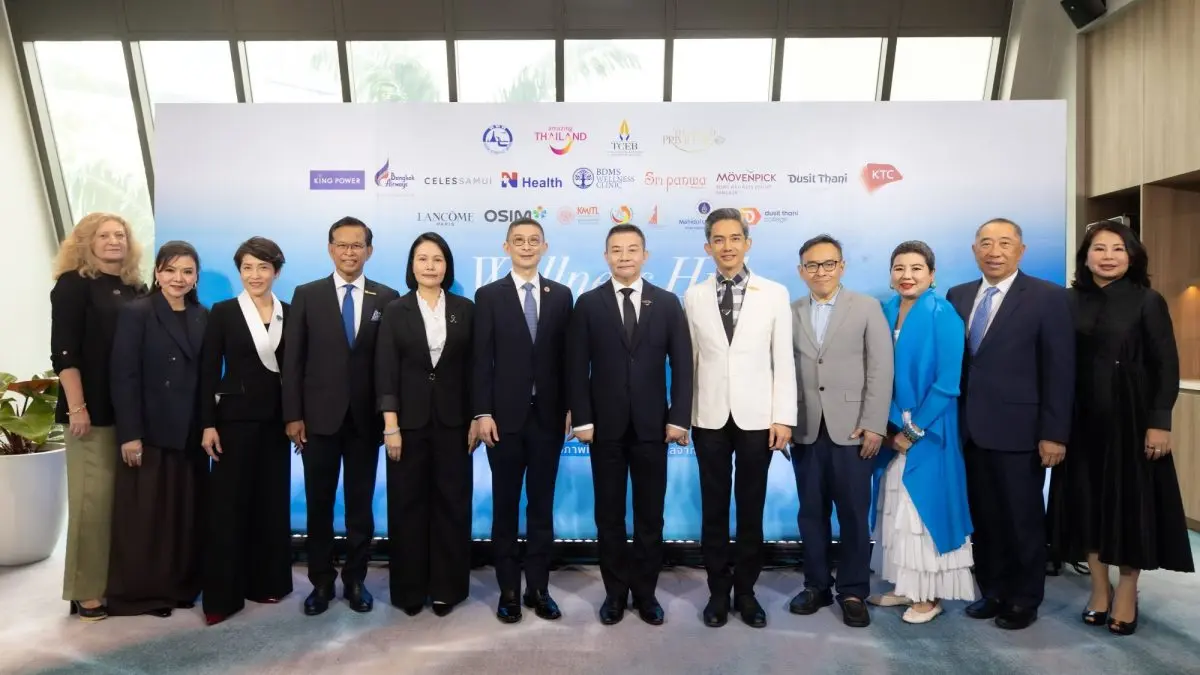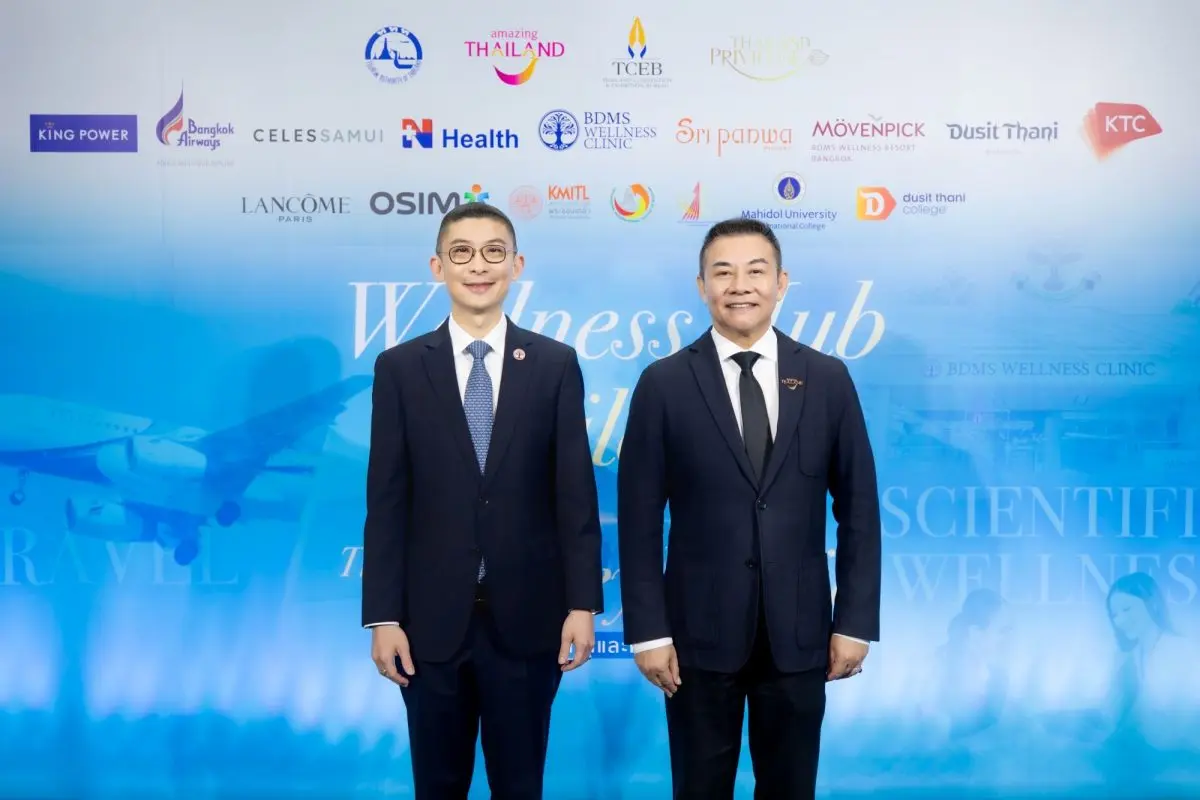
Thailand’s public and private sectors are joining forces to build a comprehensive Wellness Ecosystem aimed at positioning the country as a global leader in health and wellness tourism.
Mr. Chuwit Sirivajjakul, Deputy Governor for Policy and Planning at the Tourism Authority of Thailand (TAT), said Thailand’s competitive edge lies not only in its natural beauty but also in its long-standing culture of care and compassion. Traditional Thai medicine, Thai massage, holistic therapies, and internationally accredited modern healthcare systems together provide a strong foundation for Thailand’s ambition to become a global wellness hub.
Under the “Wellness Hub Thailand – The Land of Life: The Journey Within” initiative, Thai tourism is shifting toward experiences that prioritize both physical and mental well-being. This strategy responds to modern travelers seeking meaningful, health-focused journeys. Developing a holistic Wellness Ecosystem is also expected to increase spending per visitor, distribute income more widely, and strengthen the entire tourism and wellness value chain.
Mr. Tanupol Virunhagarun, CEO of BDMS Wellness Clinic and BDMS Wellness Resort under Bangkok Dusit Medical Services (BDMS), highlighted growing global health challenges despite rapid development. Aging populations, non-communicable diseases (NCDs), stress, sleep disorders, burnout, and mental imbalance are becoming widespread concerns. He emphasized that preventive healthcare—empowering individuals to take care of their health before illness occurs—is the most sustainable solution.
According to the Global Wellness Institute (GWI), Thailand’s wellness economy ranked third globally in growth during 2023–2024, expanding by 36.4 percent. The country followed the United Arab Emirates at 37.7 percent and India at 57.5 percent. These figures signal strong global demand and significant economic potential for Thailand.
Thailand’s wellness tourism success stems from combining natural attractions, nutrient-rich Thai cuisine, traditional herbal knowledge, gracious service culture, internationally recognized Thai medicine, and advanced medical technology.
To elevate Thailand into the global top five in wellness, Dr. Tanupol proposed integrating traditional wisdom with science. Key strategies include upgrading Thai herbs through research-based innovations; repositioning Thai massage as semi-medical therapeutic massage enhanced with technologies such as ultrasound and shockwave treatments; developing wellness hotels as “sanctuaries of sleep” using sleep science to optimize rest; and promoting “food as medicine” through personalized menus designed by chefs and doctors based on genetic testing.
Through strong public–private collaboration, Thailand aims to strengthen preventive healthcare standards, enhance its Wellness Ecosystem, and advance toward becoming a sustainable global health and wellness hub.